


Alaska Railroad FAQ
Thinking of Riding the Alaska Railroad? Here's Everything You Need to Know.
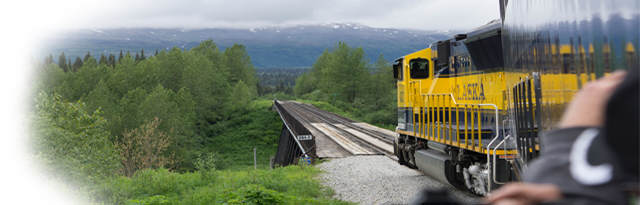
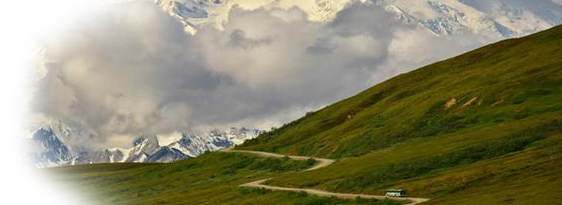
Few travel experiences in North America compare to a journey on the Alaska Railroad. Gliding through wilderness that roads simply don't reach — past glaciers, tundra, braided rivers, and the towering presence of Denali — the train isn't just transportation. It's the destination itself.
But for first-time visitors, the Alaska Railroad can also feel a little mysterious. Which routes are worth it? Can you hop on and off? What's the difference between the GoldStar and Adventure Class? Do you need to book months in advance?
As Alaska travel specialists, we've answered these questions hundreds of times — and this page puts them all in one place. Whether you're planning a rail-only vacation or looking to combine the train with a self-drive road trip, our FAQ guide cuts through the confusion so you can plan with confidence.
Browse the questions below, or explore our Alaska Railroad tours to start building your itinerary.
What is the Alaska Railroad, and why is it so special?
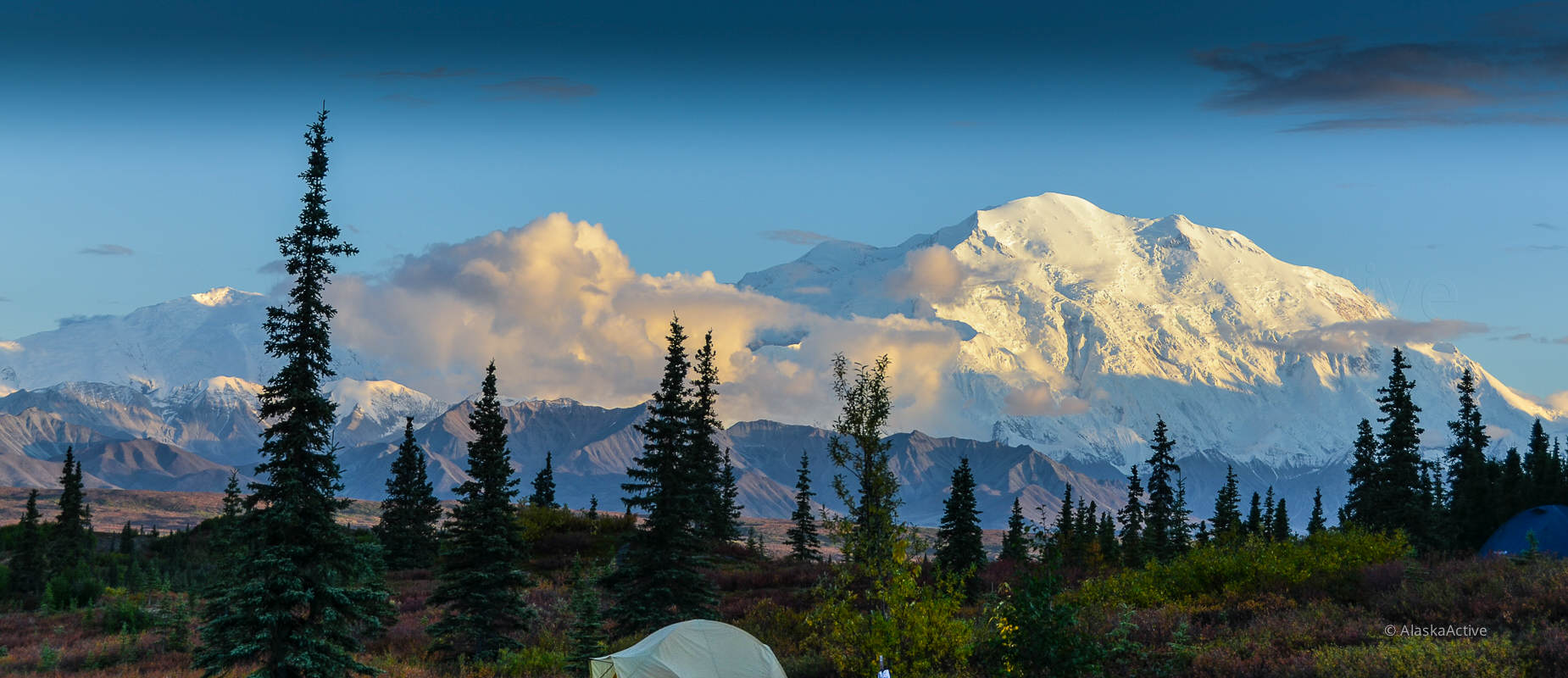
 The Alaska Railroad is one of the last great wilderness railways in the world. Established in 1923, it runs 470 miles from Seward on the Kenai Peninsula north through Anchorage, past the foothills of Denali, and all the way to Fairbanks in the Interior. What makes it truly remarkable is not just the scenery — though that alone would be enough — it's the fact that large stretches of the route pass through terrain that has no road access whatsoever.
For many remote communities, the train is still the only land link to the outside world. For travelers, this means you are seeing an Alaska that most visitors never reach. No tour bus follows this path. No highway parallels it. Just river valleys, boreal forest, glacial outwash plains, and mountain ranges rolling past your panoramic window.
Which routes does the Alaska Railroad operate?
The railroad operates several named services, each covering a different stretch of track.
The most popular for visitors are: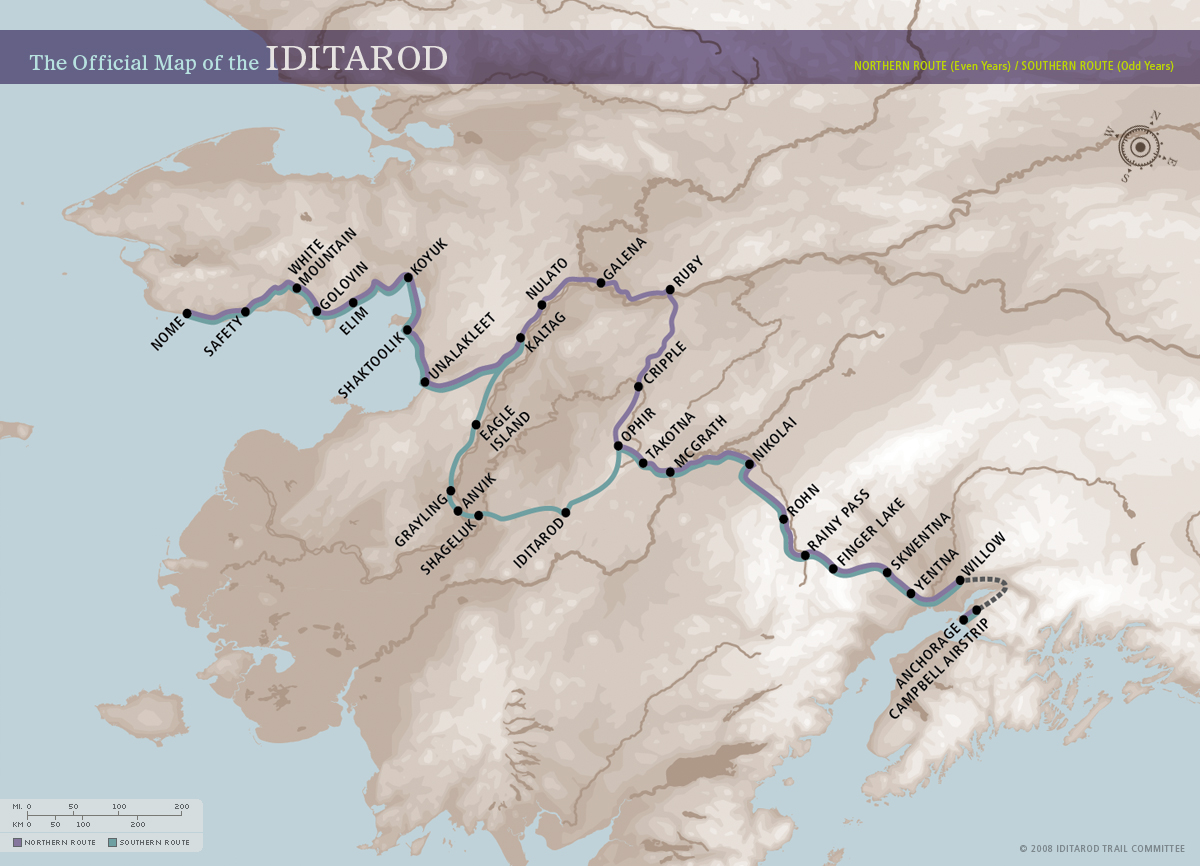 The Coastal Classic runs between Anchorage and Seward, skirting Turnagain Arm — one of the world's most dramatic tidal inlets — before winding through the Kenai Mountains to the coast. This is the classic day-trip route, and it pairs beautifully with a Kenai Fjords glacier cruise.
The Denali Star is the flagship route, covering the full corridor between Anchorage and Fairbanks, with stops at Wasilla, Talkeetna, and the Denali depot. Most travelers ride a portion of this route — either Anchorage to Denali or Denali to Fairbanks — as part of a longer itinerary.
The Glacier Discovery operates between Anchorage and Grandview, making a stop at Whittier (gateway to Prince William Sound). This is a shorter, scenery-focused service with some of the most dramatic mountain and glacier views on the entire network.
The Hurricane Turn is in a class of its own — a flag-stop train that runs between Talkeetna and Hurricane Gulch, picking up and dropping off passengers (often hunters, fishermen, and backcountry hikers) at points with no formal station. It is one of the last true flag-stop trains operating in the United States and a genuinely unique experience.
Do I need to ride the full route, or can I just do a section?
You can absolutely ride just a section, and most visitors do exactly that. The most popular segments are Anchorage to Talkeetna, Talkeetna to Denali, and Anchorage to Seward. These can be combined in many ways depending on your time and interests. Our rail tour packages are designed around the most rewarding combinations, taking the guesswork out of the planning.
CLASSES OF SERVICE
What is the difference between GoldStar and Adventure Class?
This is one of the most frequently asked questions, and it's worth understanding before you book.
Adventure Class is the standard service operated directly by the Alaska Railroad. You'll travel in comfortable, bi-level carriages with panoramic windows, airline-style seating, a dining car serving hot food and drinks, and an outdoor viewing platform between carriages. It offers excellent value and is genuinely comfortable — don't let the word "standard" put you off. The views from Adventure Class are the same as from any other carriage on the train.
GoldStar is the Alaska Railroad's own premium dome car service, positioned at the top of the train. Passengers travel in a glass-domed upper level with sweeping 360-degree views, and enjoy a dedicated dining room on the lower level where meals are included. Service is more attentive, seating is more spacious, and the overall experience has the feel of a classic rail journey from a more graceful era of travel. GoldStar is a meaningful upgrade and well worth considering for the Anchorage-to-Denali leg in particular, where the scenery is at its most dramatic.
Are there private dome car options beyond GoldStar?
Yes. Several of Alaska's larger tour operators — including Princess and Holland America — run their own privately owned dome cars that attach to the Alaska Railroad's locomotives.
If you are traveling independently or booking through Alaska Active, GoldStar is the premium option available to you, and it is an excellent one.
Is GoldStar worth the extra cost?
For most travelers, yes — particularly on the Denali Star route. The combination of the glass dome, the included meal service, and the unhurried, special-occasion feel of the experience makes it a highlight of many Alaska itineraries. If your budget is limited, Adventure Class will still give you a wonderful journey. But if you are celebrating a milestone trip or simply want to treat yourself, GoldStar delivers.
PLANNING & BOOKING
When should I book Alaska Railroad tickets?
As early as possible — and that is not just a standard travel-industry answer. The Alaska Railroad's peak season runs from mid-May through mid-September, and the most popular departures (particularly GoldStar on the Denali Star, and the Coastal Classic on summer weekends) sell out well in advance. For travel in June and July, we recommend booking your rail segments at least four to six months ahead. August departures can also fill quickly, especially around popular events and holidays.
If you are booking through Alaska Active, we handle all rail reservations as part of your package, so you don't need to manage this separately.
What is the best time of year to ride the Alaska Railroad?
Summer — roughly late May through early September — is the main operating season for most services, and this is when you'll have the longest daylight hours, the best wildlife activity, and the most dramatic green landscapes. June and July offer the famous Midnight Sun, where it barely gets dark at all, and the light on the mountains in the evening hours is extraordinary.
Early September brings the first hints of autumn color to the tundra and birch forests, which can make for stunning scenery with fewer crowds. This is an underrated time to travel.
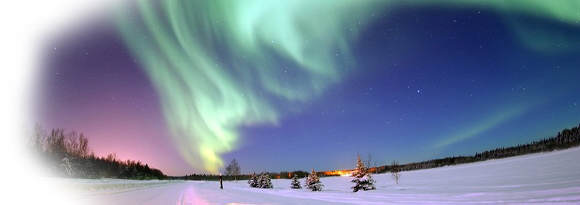
In winter, the Alaska Railroad operates a limited schedule on the Anchorage-Fairbanks corridor, and this is the basis for our Northern Lights Railroad Tours. Traveling by train through a snow-covered wilderness at night, with the aurora potentially dancing overhead, is an experience in a completely different league from summer travel — quieter, more intimate, and genuinely magical.
Can I use the Alaska Railroad as a hop-on hop-off service?
 Not in the traditional hop-on hop-off sense — though there are two notable exceptions worth knowing about.
In summer, the Hurricane Turn between Talkeetna and Hurricane Gulch operates as a genuine flag-stop service, meaning passengers can board and disembark at virtually any point along the route simply by flagging the train down. It's one of the last working flag-stop trains in the United States and a wonderfully old-fashioned way to access the backcountry.
In winter, the Anchorage-Fairbanks corridor also operates as a flag-stop service, allowing passengers and local residents to board and alight at unscheduled points along the route — a practical necessity in a state where many communities have no road access during the frozen months.
Outside of these services, tickets are for specific trains on specific dates, and you cannot simply board any available departure. That said, your itinerary can absolutely be built around multi-day rail journeys with overnight stops at key destinations like Talkeetna, Denali, or Fairbanks. Alaska Active specializes in exactly this kind of multi-stop rail itinerary, combining the train with accommodation and activities at each stop.
Is there a rail pass available for the Alaska Railroad?
The Alaska Railroad does not operate a traditional rail pass in the way that European systems do. Tickets are purchased per route and per service class. For travelers doing multiple legs, Alaska Active can book these as a coordinated package, often with cost advantages and the peace of mind of having all segments secured together.
ON BOARD EXPERIENCE
How long does each journey take?
| Route | Service | Journey time |
|---|---|---|
| Anchorage → Seward | Coastal Classic | 4 hrs |
| Seward → Anchorage | Coastal Classic | 4 hrs |
| Anchorage → Whittier | Glacier Discovery | 2.5 hrs |
| Anchorage → Talkeetna | Denali Star | 3.5 hrs |
| Anchorage → Denali depot | Denali Star | 8 hrs |
| Denali depot → Fairbanks | Denali Star | 4 hrs |
| Anchorage → Fairbanks | Denali Star (full) | 12 hrs |
| Talkeetna → Hurricane Gulch | Hurricane Turn | 3.5 hrs |
All times are approximate and may vary by season.
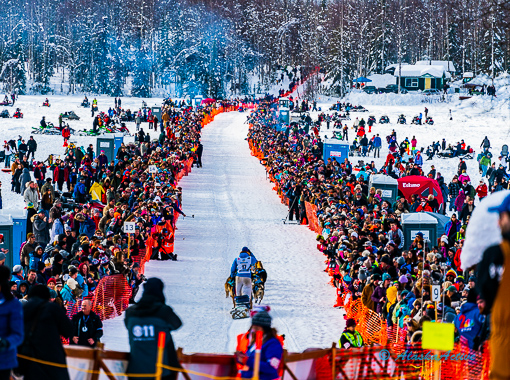
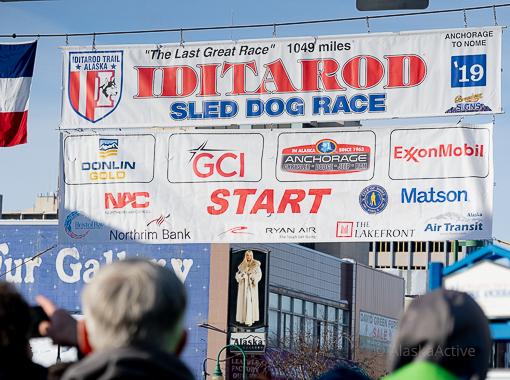
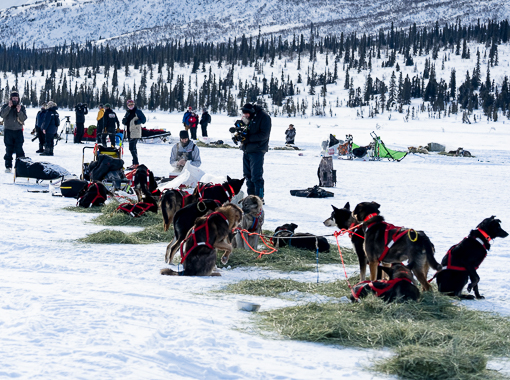
Weather is one of the biggest unknowns during the Iditarod Trail Sled Dog Race. From November through early March, daylight is limited - ranging from about 10 hours to less than 4 hours per day. During this time, temperatures regularly drop well below zero, with winter lows often reaching -40°F to -50°F or colder. It’s not unusual for these extreme conditions to last for several days in a row. The coastal town of Nome is an exception, as the nearby Norton Sound helps moderate temperatures. While winter nights there still fall to around zero, temperatures below -20°F are relatively rare.
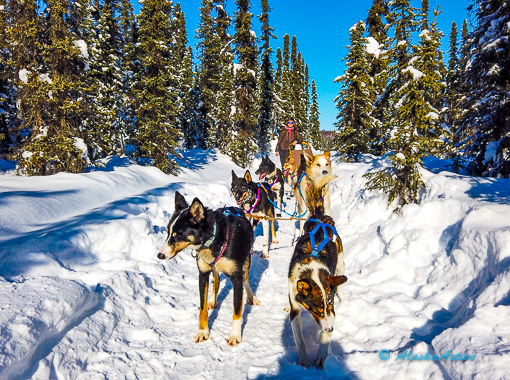
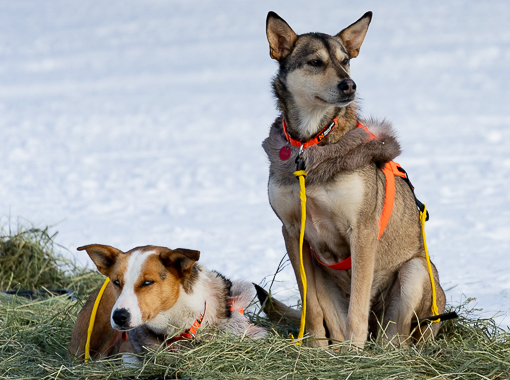
Snow typically covers the ground continuously from October through April across most of the route. Interestingly, colder conditions are often better for the dogs, which tend to perform best in temperatures between about -20°F and +20°F. The most extreme cold recorded during the race dates back to 1973, when wind chill reportedly dropped to an astonishing -130°F.
What kind of clothing is recommended?
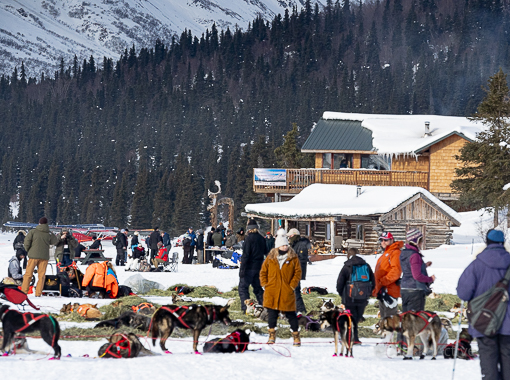
Dressing properly for the Iditarod Trail Sled Dog Race is essential, as conditions can be extremely cold and unpredictable. Layering is key. Start with a moisture-wicking base layer, add insulating layers like fleece or wool, and finish with a windproof and waterproof outer shell. Insulated parkas and snow pants are highly recommended. Footwear should be warm and rated for very low temperatures, ideally with thick socks and enough room for insulation. Mittens are better than gloves for keeping hands warm, and hand warmers can be helpful during long periods outdoors. A warm hat that covers your ears, along with a face mask or balaclava, is important to protect against wind and frostbite. Sunglasses or goggles can also help in bright snow and windy conditions. In short, plan for extreme cold and dress in layers that you can adjust as conditions change. Here is a complete packing list for your winter adventure.
You can also experience the Iditarod in person on one of our tours
At Alaska Active, we specialize in custom, independent travel that follows the spirit of the trail. Whether you want to witness the race start in Anchorage, journey north via the Alaska Railroad, or combine your trip with Northern Lights Viewing, we handle the logistics so you can experience the heart of the wild on your own terms.
Signature Iditarod Journeys
Follow the path of the Great Race and witness the magic of the Arctic. These winter expeditions offer a front-row seat to Alaska's most iconic traditions.